
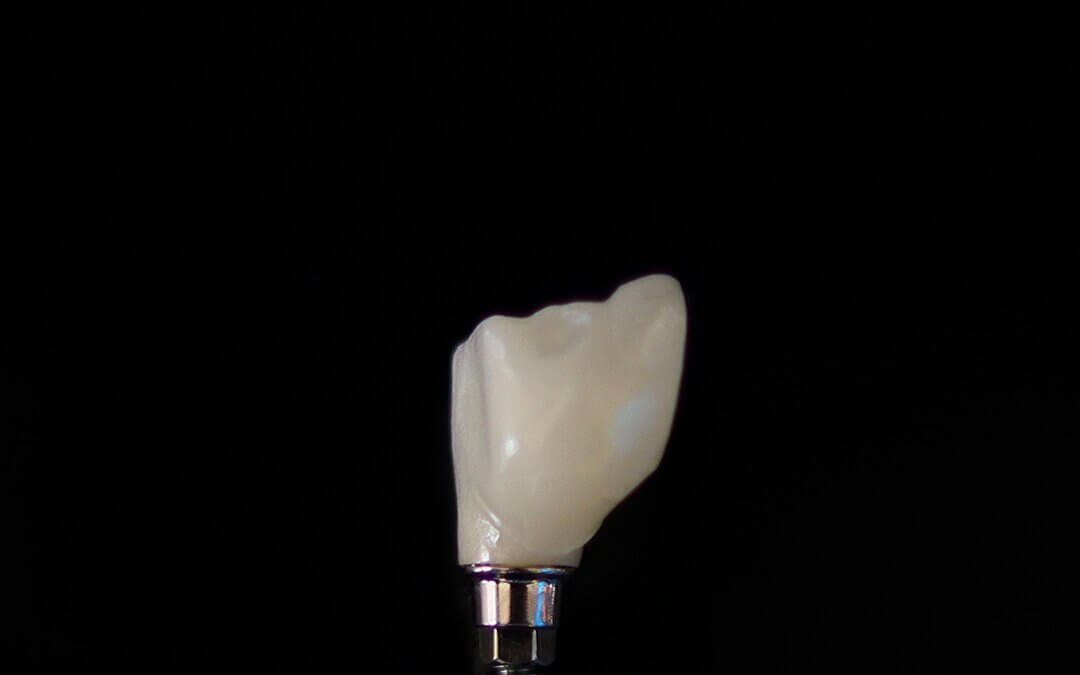
To verify dental implants in Gurnee, choose an oral surgeon with extensive implant experience, look for comprehensive diagnostic technology, and ask about the manufacturer’s reputation. You should also confirm the dentist has experience with the implant system, make sure genuine components are used throughout the restoration, and consider the practice’s commitment to long-term care.
A study by Shreya et al., published in PubMed Central, found that 26 out of 30 patients reported an overall positive experience with dental implants; one was neutral, and three were dissatisfied. When dental implants are done right, they can have both physical and mental benefits.
But how can you ensure that you’re getting quality products and services? Here are the key ways to verify quality dental implants in Gurnee.
Choose an Oral Surgeon With Extensive Implant Experience
The oral surgeon’s experience is one of the strongest indicators of implant quality. An experienced surgeon has likely treated patients with a wide range of needs, such as single-tooth replacements and complex full-mouth restorations. This experience allows them to recognize potential challenges before surgery and adapt their treatment plan accordingly.
When you’re researching practices, you should ask them how frequently the surgeon performs dental implant procedures and whether implant surgery is a major part of their practice. Those who place implants regularly often have refined surgical techniques that can improve precision and minimize complications. This supports better long-term outcomes.
Look for Comprehensive Diagnostic Technology
A quality oral surgeon practice will have invested in advanced diagnostic tools that help ensure accurate treatment planning. For example, 3D scanning can provide detailed views of the jawbone, nerves, sinuses, and surrounding structures that traditional dental X-rays can’t fully capture. This technology allows the surgeon to determine the ideal implant size, as well as the angle and placement.
Digital planning also helps identify issues such as insufficient bone volume or hidden anatomical concerns before treatment begins.
Ask About the Manufacturer’s Reputation
Cheap counterfeit dental parts can cause problems, so ask about the manufacturer’s reputation. Reputable companies invest heavily in:
- Product development
- Precision engineering
- Ongoing clinical education for dental professionals
In addition, they maintain strict manufacturing processes to ensure every implant meets consistent specifications.
When you’re evaluating your options, ask who manufactures the implant and how long the company has been producing the systems. A company with a long history of innovation and global use is generally a safer choice than an unfamiliar brand with limited clinical experience. Premium oral surgery brands will have replacement parts and restorative components that you can depend on for years to come.
Confirm the Dentist Has Experience With the Implant System
Even the highest quality implant can have poor results if it’s placed incorrectly. The skill and experience of the dentist or oral surgeon play a significant role in determining how long the implant lasts.
You should ask how many implants the provider has placed using the specific system they recommend and whether they’ve completed advanced training in implant dentistry. Those who routinely perform implant procedures are often more familiar with proper planning and surgical techniques, and they’re more able to manage complex cases. They’re also better equipped to recognize potential challenges before surgery begins.
Make Sure Genuine Components Are Used Throughout the Restoration
A quality implant restoration consists of more than just the implant itself. The following should be compatible with the original implant system:
- Abutment
- Screws
- Healing components
- Final crown
Having medical-grade titanium verification and genuine manufacturer-approved components helps ensure a precise fit and reduces the risk of loosening, excessive wear, or mechanical failure. A complete system designed to work together provides greater consistency and better fit.
Consider the Practice’s Commitment to Long-Term Care
It’s essential to choose an oral surgery practice that emphasizes ongoing patient care. They should schedule follow-up visits to:
- Monitor healing
- Evaluate implant stability
- Address any concerns before they develop into larger problems
During these appointments, the surgical team can confirm that the implant is integrating properly with the jawbone and provide guidance for maintaining excellent oral health.
Frequently Asked Questions (FAQs)
Can People With Autoimmune Disease Get Dental Implants?
Yes, many people with autoimmune diseases can successfully get dental implants, but it’ll depend on their overall health, the specific autoimmune condition, and how well it’s managed. For example, uncontrolled inflammation, poor healing, or medications (like immunosuppressants and long-term corticosteroids) may increase the risk of infection or slow the healing process.
Before treatment, your dentist or oral surgeon will review your medical history and may consult with your physician to ensure that your condition is stable. With proper planning and great oral hygiene, many patients with autoimmune diseases enjoy long-lasting, successful dental implant outcomes.
What Happens After 20 Years of Dental Implants?
Well-maintained dental implants can still function well after 20 years or more. The titanium implant itself often remains securely fused to the jawbone, while the crown attached to it may eventually need replacement due to normal wear.
Long-term success depends largely on:
- Good oral hygiene
- Routine dental checkups
- Maintaining healthy gums
Some patients may experience minor bone loss around the implant over time, especially if they have gum disease or smoke. However, this can be managed if detected early.
Can You Be Too Old To Get Dental Implants?
There’s no upper age limit for getting implants. The more important factors are:
- Bone density
- Gum health
- Presence of well-controlled medical conditions
Your dentist will evaluate your jawbone using imaging scans and review your overall health before recommending treatment. If bone loss has occurred, then procedures like bone grafting can help create a stable foundation for implants. As long as healing ability and oral health are adequate, advanced age shouldn’t prevent someone from benefiting from dental implants.
Get Quality Dental Implants in Gurnee
If you need dental implants in Gurnee, then you now know what to look for and what to ask. The next step is finding a reputable and experienced dental surgeon who can get you excellent results and comfort.
Make an appointment with us now if you’re interested in dental implants. NorthShore Center for Oral & Facial Surgery has board-certified surgeons on staff, and we use state-of-the-art technology, too.