Wisdom Teeth Removal

Safe, Comfortable, and Stress-Free

Wisdom teeth, or third molars, usually begin to cause problems between the ages of 16 and 25. For many patients, these teeth don’t have enough room to erupt properly and can lead to pain, infection, or damage to surrounding teeth. Early evaluation and removal of wisdom teeth can prevent these issues, but if they have already begun we can still help. At NorthShore Center for Oral & Facial Surgery and Implantology, our board-certified oral surgeons provide expert wisdom teeth removal for patients throughout Lake and Cook County and beyond.

Our goal is to make the process safe, comfortable, and stress-free. With advanced technology and a full range of anesthesia options you can feel confident that you’re in skilled hands.
Wisdom Teeth Removal

Safe, Comfortable, and Stress-Free

Wisdom teeth, or third molars, usually begin to cause problems between the ages of 16 and 25. For many patients, these teeth don’t have enough room to erupt properly and can lead to pain, infection, or damage to surrounding teeth. Early evaluation and removal of wisdom teeth can prevent these issues, but if they have already begun we can still help. At NorthShore Center for Oral & Facial Surgery and Implantology, our board-certified oral surgeons provide expert wisdom teeth removal for patients throughout Lake and Cook County and beyond.
Our goal is to make the process safe, comfortable, and stress-free. With advanced technology and a full range of anesthesia options you can feel confident that you’re in skilled hands.

All About Wisdom Teeth

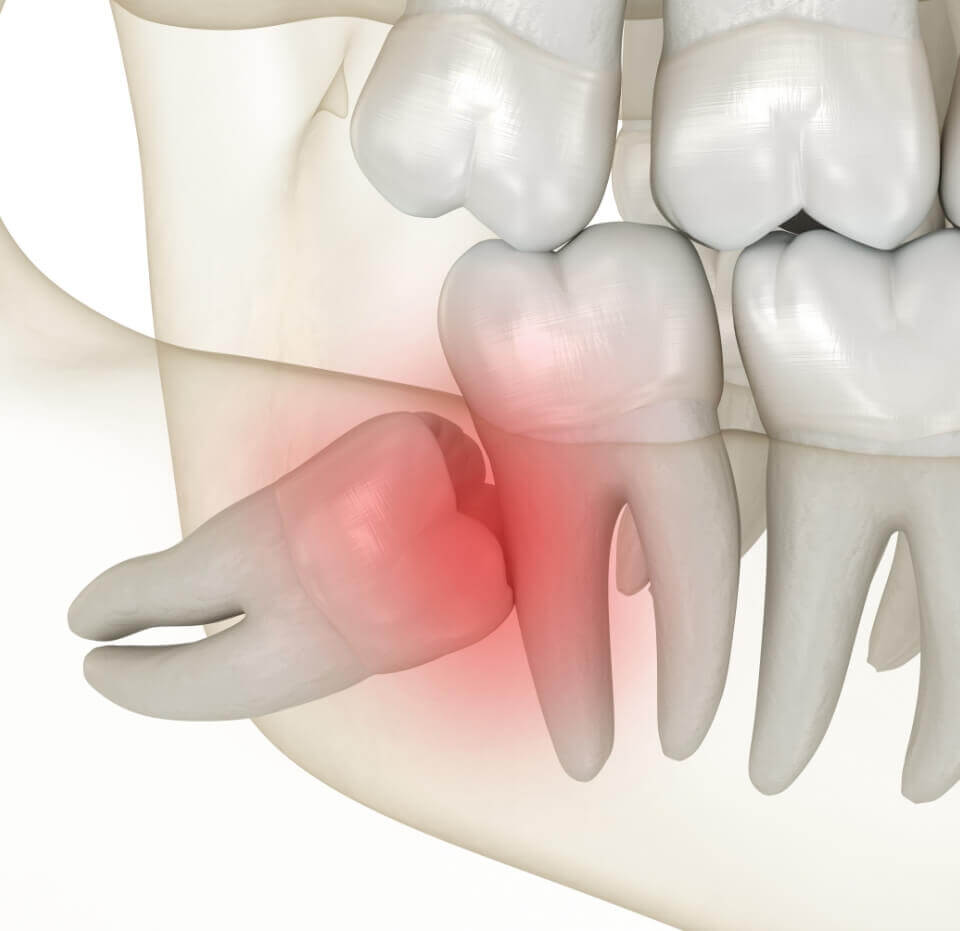
Wisdom teeth are the last permanent teeth to develop. Most patients do not have enough room in their jaw for wisdom teeth to erupt into a functional and healthy position, and instead they become trapped or “impacted”. These impacted teeth can cause problems if left untreated. Removing wisdom teeth early is often more conservative and can prevent future complications – see our blog post on “When is the ideal time to remove wisdom teeth?”. If the teeth are not removed early and begin causing symptoms they can be removed at any age.

What happens if I don’t remove my wisdom teeth?

If you have insufficient space for your wisdom teeth to erupt, waiting to remove them can lead to

Shifting and damage to other teeth

When there isn’t enough space for wisdom teeth to erupt, they may crowd neighboring teeth, leading to misalignment across the dental arch. This pressure can also damage the adjacent teeth.

Painful recurrent infections

Bacteria accumulate in the deep tissue pockets around wisdom teeth and cause inflammation, sometimes even leading to large facial infections. You may hear this called “pericoronitis”, which means “inflammation around the crown”.

Long term damage to the adjacent teeth

Impacted wisdom teeth can cause decay on the back of the second molar. Additionally, as the wisdom tooth erupts, it takes away the bone on the back of the 2nd molar. This bone loss can often be reversed if the wisdom tooth is removed early, however it can be permanent if it is not addressed.

Tooth-related cysts and tumors.

Wisdom teeth are the most common tooth in the mouth to develop dental cysts and tumors. While these can be treated at any age, when identified early they can be treated much more conservatively.
What to Expect During Surgery

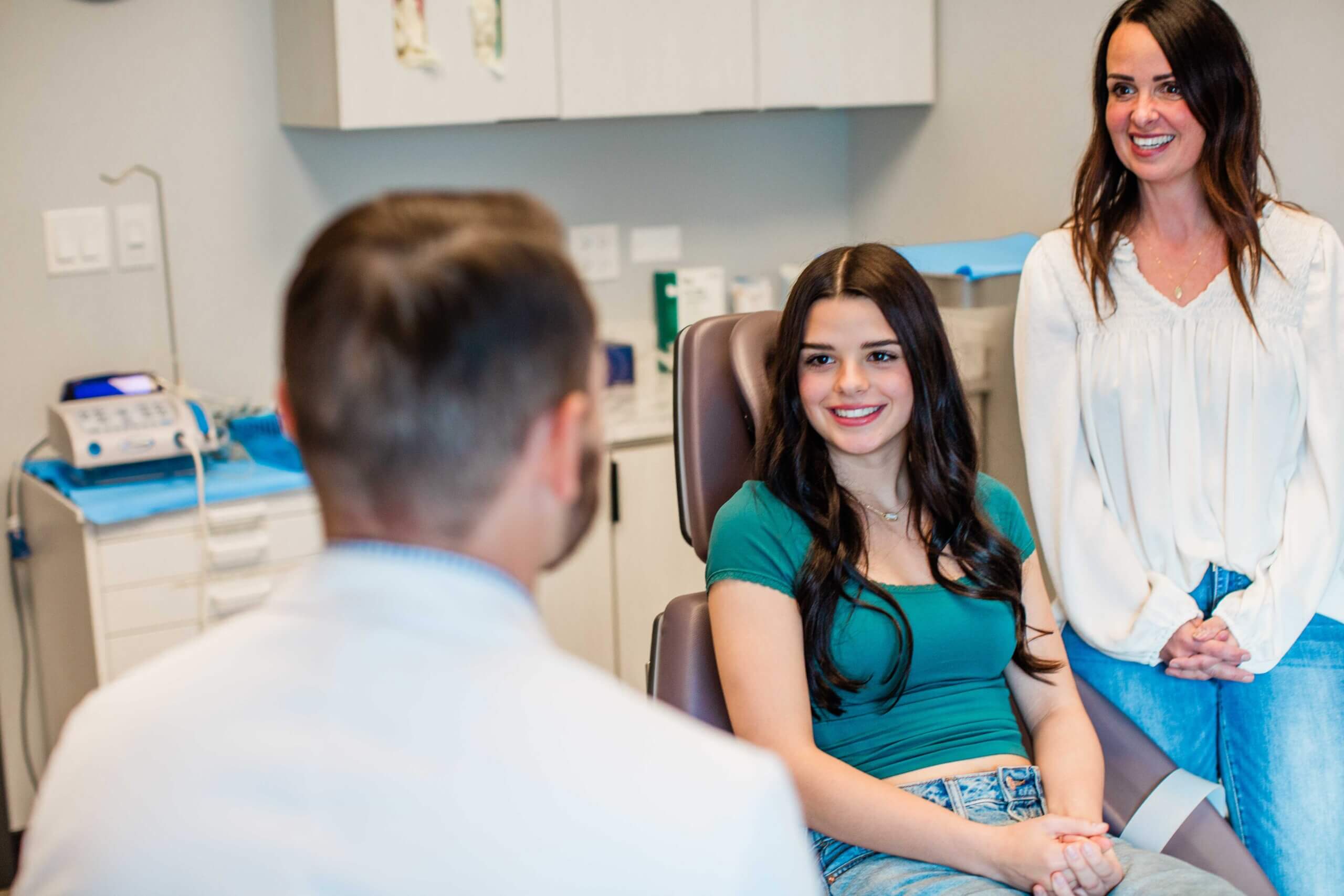
Every patient receives a personalized plan based on their age, tooth position, and overall health. Using advanced imaging, we precisely map the location of your wisdom teeth in relationship to nearby teeth and nerves and choose the least invasive surgical approach possible.

You’ll discuss anesthesia options during your consultation. Most patients choose IV sedation so they don’t have to experience uncomfortable sensations during treatment. Our team continuously monitors your comfort and safety throughout the procedure!

Recovery & Healing after Wisdom Tooth Removal

Recovery after wisdom teeth removal is usually straightforward:

  • First 24 hours: Expect mild swelling and some bleeding. Ice packs and rest are recommended.
  • 3–5 days: Most discomfort subsides, and patients can return to school or work.
  • 1–2 weeks: Soft tissue typically heals, and swelling resolves.

We will provide detailed post-operative instructions, including guidance on pain management, diet, and oral hygiene. Following these closely reduces the risk of complications such as dry sockets.


Frequently Asked Questions about Wisdom Tooth Removal

What age is best for wisdom teeth removal?
The ideal time for wisdom tooth removal is usually in the teen years before the roots are fully formed and when healing is faster. For some patients this window extends into the early 20s, however a screening consultation in the early teen years is always recommended so we can provide appropriate individual guidance. If wisdom teeth are not removed early in life and are causing problems, removal can be performed at any age if needed. See our blog post on “When is the ideal time to remove wisdom teeth?”
What are the signs that wisdom teeth need to be removed?
Pain, swelling, gum infection, bad breath, or shifting of nearby teeth are common warning signs. Sometimes wisdom teeth cause problems even without symptoms, which is why a screening consultation in the early teen years with x-rays is important.
Is wisdom tooth surgery painful?
With IV sedation you won’t feel pain – in fact most patients just snore through the whole procedure! After surgery you will manage discomfort with prescribed medications and consistent use of ice packs. See our blog post on Optimizing Non-Narcotic Pain Control.
How long is recovery?
Every patient has a different inflammatory response to surgery. The majority of patients feel significantly better in 3–5 days, although for some patients complete healing may take up to two weeks.
Do I need antibiotics after wisdom tooth removal?
Great question! This is an evolving area and we are committed to utilizing evidence-based care to give you optimized treatment. Our surgeons will review your case and prescribe the lowest reasonable antibiotic coverage to avoid disruption of your natural gut flora. See our blog posts on Antibiotic Therapy Duration and Oral Probiotics and Oral Health for more information!
What can I eat after surgery?
Soft foods like yogurt, smoothies, mashed potatoes, and scrambled eggs are best. Avoid straws, hot foods, and crunchy snacks for the first few days. See our blog post on Recovering from Wisdom Tooth Removal for more information!
Will all four wisdom teeth need to be removed?
Not always. Some patients need only one or two extracted, while others require all four. Our surgeons will recommend the best approach after reviewing your imaging.
Does everyone need their wisdom teeth removed?
No, not every patient will require removal of their wisdom teeth. However, it is uncommon for patients to have both the space and appropriate eruption path for wisdom teeth to come into a functional and cleansible position. Additionally, even for patients who do have enough space, wisdom teeth are often challenging to keep clean long term and removal later in life comes with additional risks – see our blog post on Complications of Delayed Wisdom Tooth Removal. Our surgeons will be happy to discuss your options with you at your consultation!
What are dry sockets and how can I prevent them?
A dry socket happens if the blood clot at the extraction site becomes dislodged, exposing bone. Avoid smoking, straws, and vigorous rinsing to reduce your risk. In certain cases we will recommend utilizing a collagen sponge or PRF in the extraction socket to reduce this risk.
How much does wisdom teeth removal cost?
Cost varies depending on the number of teeth removed, the complexity of surgery, and anesthesia used. A consultation provides the most accurate estimate, and financing options are available.

Why choose NorthShore Center for Oral and Facial Surgery?

Our team has decades of experience performing wisdom teeth removal for patients across Lake and Cook County. We use advanced 3D imaging, minimally invasive surgical techniques, and a full range of anesthesia options to ensure safe, predictable results. From consultation to recovery, we’re here to make the process as smooth and stress-free as possible!