Orthofacial Surgery

Restoring Balance, Function, and Confidence

When the jaws don’t align properly, it can affect chewing, speaking, breathing, and overall facial appearance. Orthofacial surgery—also called orthognathic surgery—corrects these irregularities, restoring both function and aesthetics. At NorthShore Center for Oral & Facial Surgery, our surgeons perform advanced jaw surgery in our Quad-A accredited facility, helping patients achieve better health and renewed confidence.

Orthofacial Surgery

Restoring Balance, Function, and Confidence
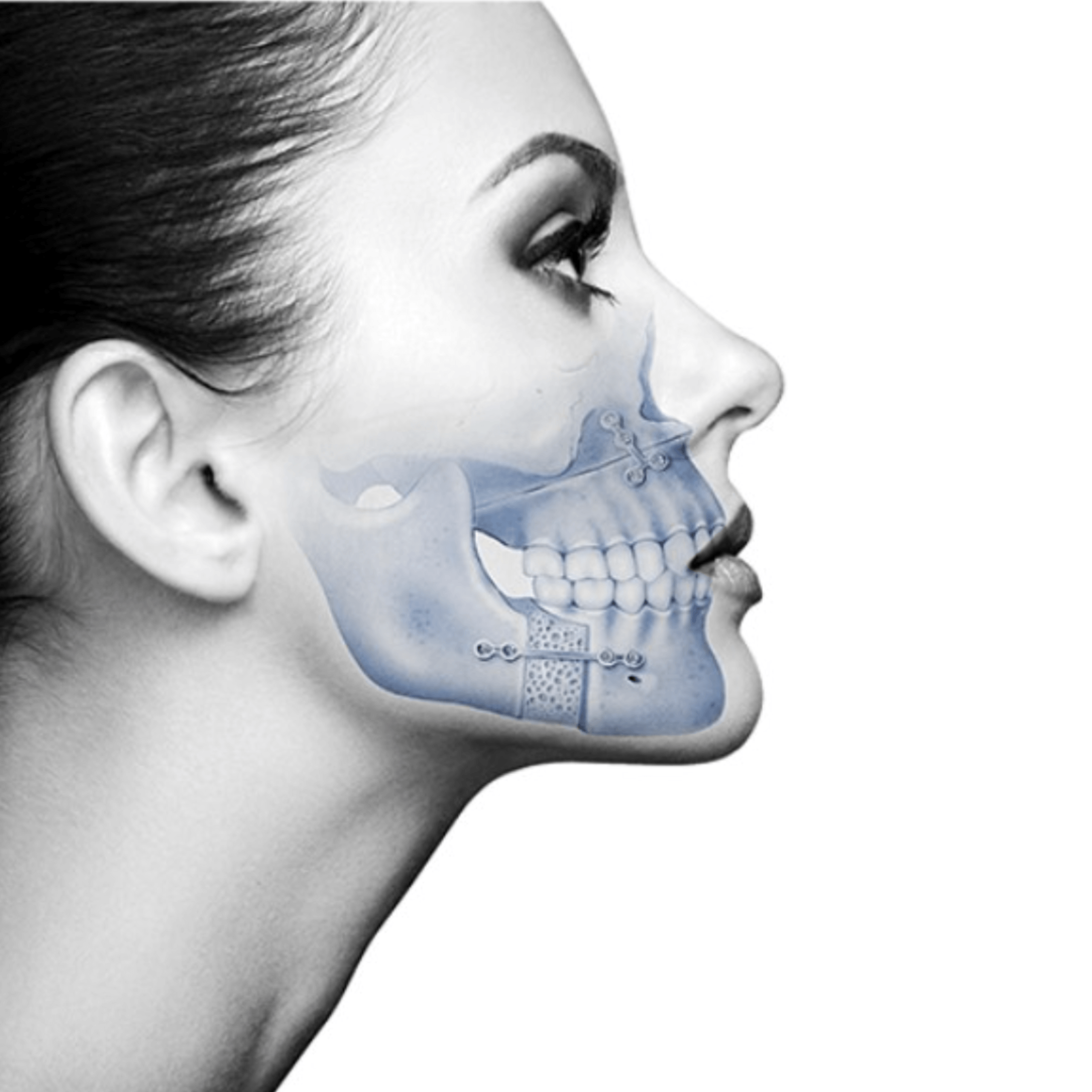
When the jaws don’t align properly, it can affect chewing, speaking, breathing, and overall facial appearance. Orthofacial surgery—also called orthognathic surgery—corrects these irregularities, restoring both function and aesthetics. At NorthShore Center for Oral & Facial Surgery, our surgeons perform advanced jaw surgery in our Quad-A accredited facility, helping patients achieve better health and renewed confidence.

What Is Orthofacial Surgery?

Orthofacial surgery involves repositioning the upper jaw, lower jaw, or both to improve alignment. While orthodontics can correct many bite problems, some conditions require surgical treatment to move the jaws into proper position.

This surgery is carefully planned using 3D imaging and models to ensure precise results. Our approach considers both function and aesthetics, creating harmony between the bite and overall facial balance.
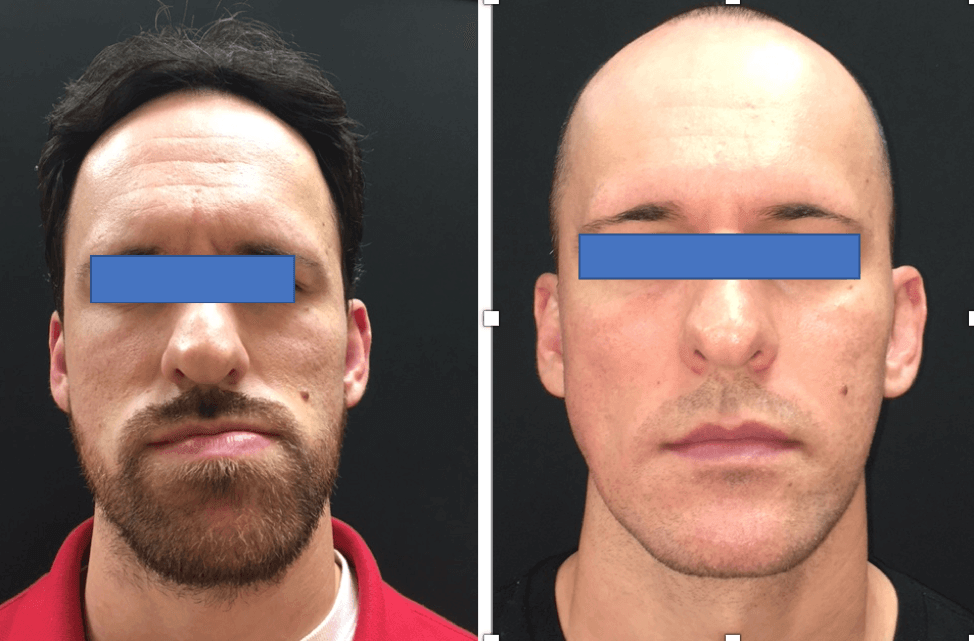
BEFORE & AFTER
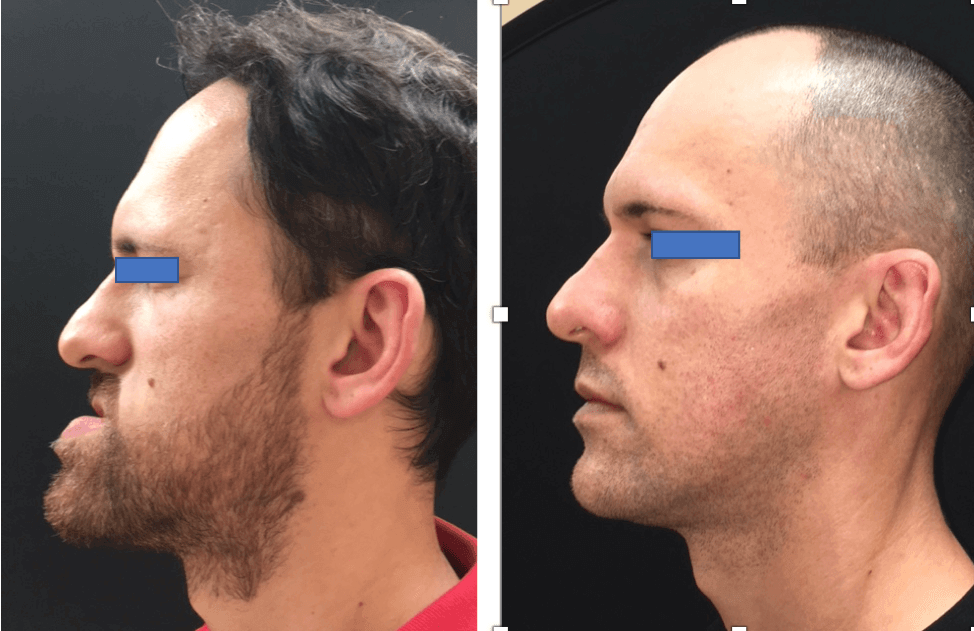
BEFORE & AFTER
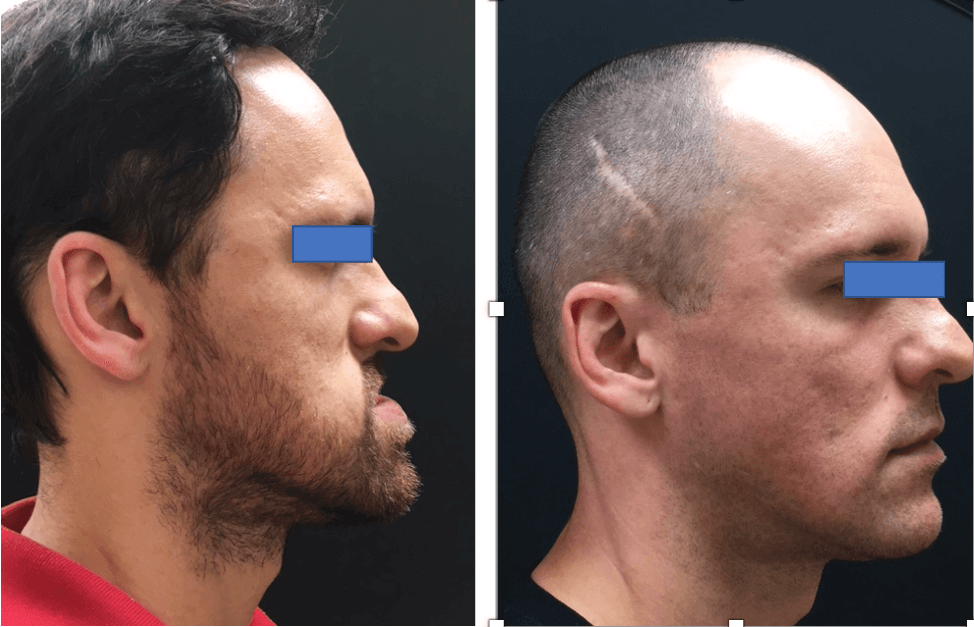
BEFORE & AFTER
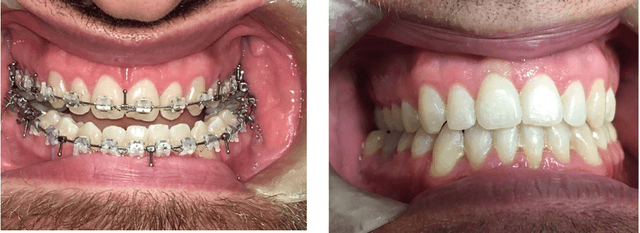
BEFORE & AFTER
When Is Orthofacial Surgery Recommended?

This procedure may be recommended if you experience:

  • Difficulty chewing, biting, or swallowing.
  • Speech problems related to jaw position.
  • Jaw pain or chronic temporomandibular joint (TMJ/TMD) issues.
  • Open bite, underbite, or crossbite not correctable with orthodontics alone.
  • Facial imbalance, asymmetry, or recessed chin.
  • Breathing issues, including obstructive sleep apnea related to jaw position.

Benefits of Orthofacial Surgery

  • Improved function – Easier chewing, speaking, and swallowing.
  • Pain relief – Reduction of jaw joint strain and headaches in certain patients
  • Better breathing – Improved airway space.
  • Balanced appearance – Enhanced symmetry and facial harmony.
  • Long-term stability – Lasting results when combined with orthodontics.

What to Expect

Consultation & Planning – We use digital imaging, digital intraoral scans, and work closely with your orthodontist to design a treatment plan. We plan your surgery virtually with our medical modeling team prior to the day of surgery.

Surgery – The procedure is performed under general anesthesia in our accredited surgical facility. Most incisions are made inside the mouth to avoid visible scars.

Recovery – With our minimally invasive approaches most patients go home the same day. Initial healing takes 1-2 weeks and you remain on a “no-chew” diet for 6 weeks. After 6 weeks your bones have healed sufficiently to begin to slowly reintroduce solid foods. Further refinement and reduction of swelling occurs over the next several months. .

Complementary Procedures

In some cases, additional procedures are recommended to balance your facial aesthetics with the planned surgery. These may include chin advancement/setback (genioplasty), rhinoplasty, facial implants, or other treatments. Our surgeons consider these options carefully and will have a discussion with you about the best way to help you achieve natural, balanced results.

Frequently Asked Questions for Full Arch Restoration

How do I know if I need jaw surgery?
If you have trouble biting, chewing, or breathing—or notice that your jaw alignment affects your appearance—an evaluation with our surgeons can determine whether surgery is right for you.
Is orthofacial surgery painful?
Orthofacial surgery is a major surgical procedure, and you can expect a significant recovery period.That being said, we utilize minimally-invasive approaches whenever possible and most patients are surprised by how well their pain is managed. Pain is typically well controlled with medications. Discomfort from swelling and stiffness are more common than pain.
How long is recovery?
Initial recovery takes about 2–3 weeks, during which most patients follow a soft diet. Complete healing and bite stabilization may take up to a year.
Will I need braces before or after surgery?
Yes. Orthodontics is required both before and after jaw surgery to align the teeth properly with the new jaw position.
Are the results permanent?
Yes. Once healing is complete, results are long-lasting, improving both function and facial balance.
Is orthofacial surgery covered by insurance?
Medical insurance will often provide some coverage, although it is often minimal. Our insurance team will work to verify your benefits and help explain them to you.

Why Choose Us?

With years of specialized training in oral and facial surgery, our team delivers precise, natural-looking results that improve both function and aesthetics. From consultation to recovery, your health and comfort are always our top priority.