Connective Tissue Grafting

Restoring Gum Health and Aesthetics

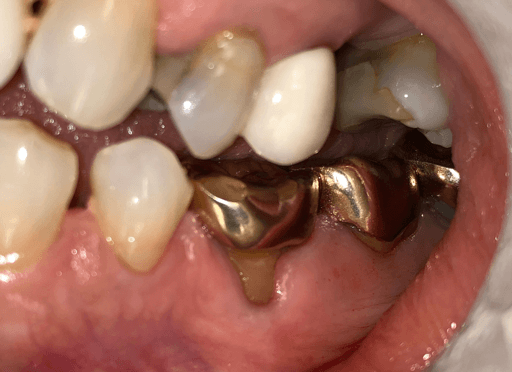
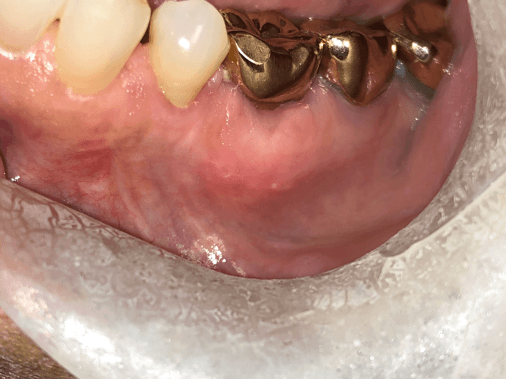
Healthy gums are just as important as healthy teeth. When gum tissue thins or recedes, it can expose tooth roots, cause sensitivity, and create an uneven smile. At NorthShore Center for Oral & Facial Surgery and Implantology, our board-certified surgeons perform connective tissue grafting (CTG) to restore lost gum tissue, strengthen weak areas, and improve both health and appearance. Gum tissue can be harvested from different areas in the mouth to replace lost tissue and restore gingival health. Alternatively, allogeneic tissue substitutes can be used to correct the problem with less pain during recovery.

Connective Tissue Grafting

Restoring Gum Health and Aesthetics
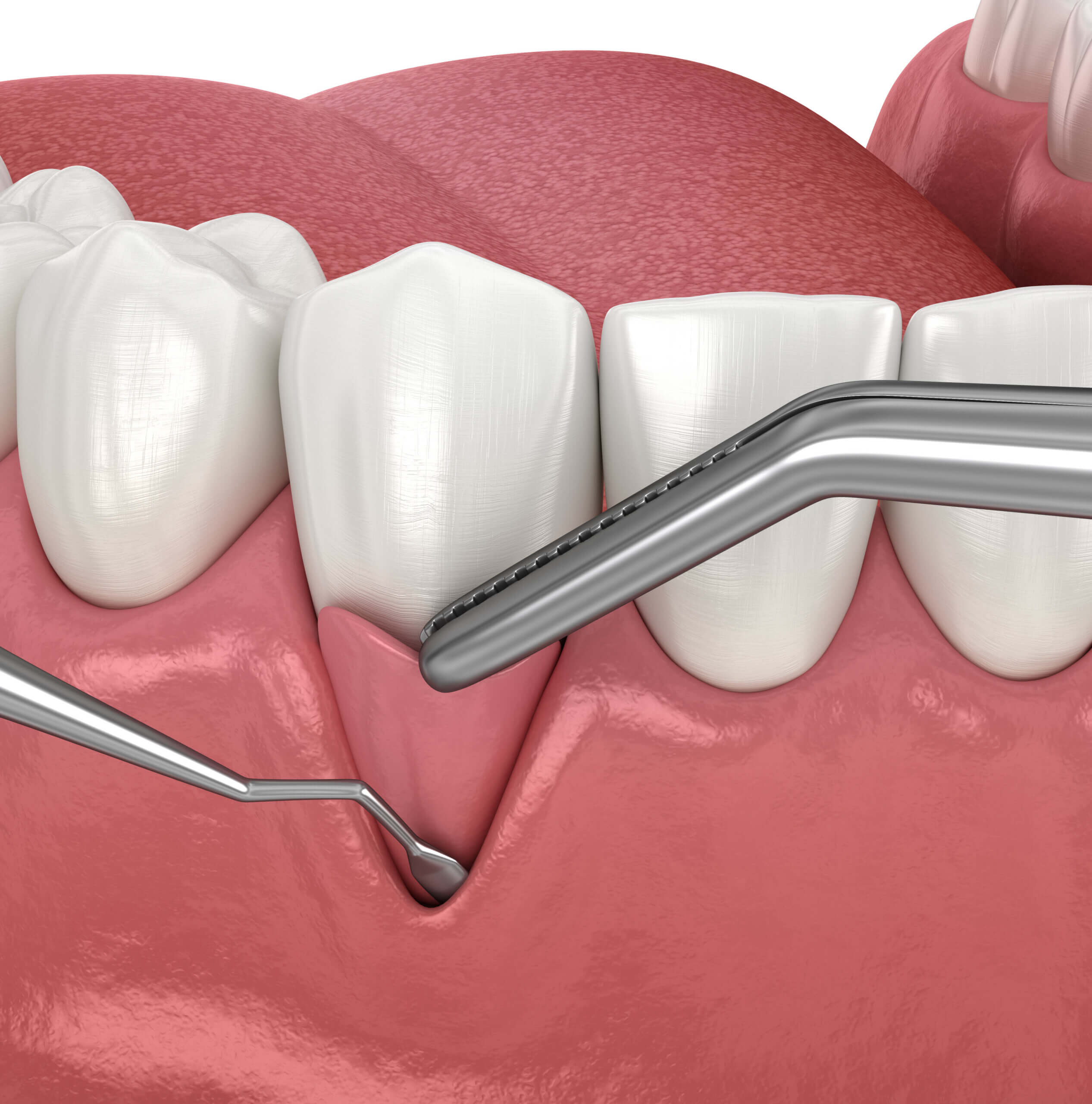
Healthy gums are just as important as healthy teeth. When gum tissue thins or recedes, it can expose tooth roots, cause sensitivity, and create an uneven smile. At NorthShore Center for Oral & Facial Surgery and Implantology, our board-certified surgeons perform connective tissue grafting (CTG) to restore lost gum tissue, strengthen weak areas, and improve both health and appearance. Gum tissue can be harvested from different areas in the mouth to replace lost tissue and restore gingival health. Alternatively, allogeneic tissue substitutes can be used to correct the problem with less pain during recovery.

What Is Connective Tissue Grafting?

Connective tissue grafting is a surgical procedure that uses a small piece of tissue often taken from the roof of the mouth or a donor source to cover exposed tooth roots. This restores gum coverage, strengthens gum health, and helps prevent future recession.

Why Patients Choose Connective Tissue Grafting

This treatment may be recommended if you:

  • Experience gum recession that exposes tooth roots
  • Have tooth sensitivity due to root exposure
  • Want to improve the aesthetics of your smile
  • Need stronger gum to support dental implants or restorations

Benefits of Connective Tissue Grafting

  • Protects teeth – Covers exposed roots and reduces sensitivity.
  • Improves aesthetics – Creates a balanced, natural gumline.
  • Supports oral health – Stabilizes teeth by reinforcing gum health and helps prevent further gum loss.
  • Strengthens implant sites – Provides healthy tissue for long-term implant success.

Types of Anesthesia:
The right choice for anesthesia depends on both your level of anxiety and the complexity of your procedure.

Local anesthesia
Local anesthesia numbs only the area being treated, so you remain fully awake and aware throughout the procedure. It’s fast, effective, and ideal for patients who have no anxiety about the planned procedure. Most patients experience only mild pressure without pain.

Nitrous Oxide
Also known as laughing gas, this inhaled gas relieves anxiety and helps you feel more relaxed. You remain awake and responsive, and the effects wear off quickly once discontinued. It is useful for patients with mild dental anxiety.

Sedation
IV sedation, also known as deep sedation, is the best option for patients who want to be deeply relaxed and comfortable. During sedation you breathe on your own the entire time – there is no breathing machine or invasive airway. Other than anesthesiologists, our board certified oral and facial surgeons are the only medical providers qualified to sedate patients at this level. Many patients remember little to nothing about the procedure, making it an excellent option for wisdom teeth removal, dental implants, or longer surgeries. You’ll be carefully monitored at all times to ensure safety. A designated driver is required to take you home after the procedure.

Frequently Asked Questions for Full Arch Restoration

Is gum grafting painful?
Most patients are pleasantly surprised at how comfortable the procedure is. With modern anesthesia and minimally invasive techniques, discomfort is usually mild and short-lived.
How long does it take to heal?
Initial healing occurs within 1–2 weeks. Full integration of the graft with your gums takes several months.
Can donor tissue really work as well as my own tissue?
Oftentimes, yes. Donor tissue products are processed for safety and biocompatibility, and they often integrate successfully without the need for a second surgical site.
Will the results look natural?
Absolutely. Our surgeons carefully shape the graft to create a smooth, natural gumline that blends with the surrounding tissue.
Is gum grafting permanent?
With good oral hygiene and regular dental care, gum grafts provide long-lasting stability and protection.
Can gum grafting be combined with other procedures?
Yes. Gum grafting is often performed along with implants, bone grafting, or cosmetic treatments to maximize both health and aesthetics.

Why Choose Us?

With years of specialized training in oral and facial surgery, our team delivers precise, natural-looking results that improve both function and aesthetics. From consultation to recovery, your health and comfort are always our top priority.