Minimally Invasive Sleep Apnea Surgery

Restoring Health Through Better Breathing

Obstructive sleep apnea (OSA) is more than loud snoring or restless nights—it’s a medical condition where breathing stops repeatedly during sleep. Recent data on the US population estimated that 17% of the general adult population has obstructive sleep apnea, many cases of which are undiagnosed. Left untreated, OSA can contribute to daytime fatigue, cardiovascular disease, diabetes, and reduced quality of life. At NorthShore Center for Oral & Facial Surgery and Implantology, our board-certified surgeons provide surgical options designed to address the structural causes of sleep apnea and restore healthy breathing patterns.

Minimally Invasive Sleep Apnea Surgery

Restoring Health Through Better Breathing
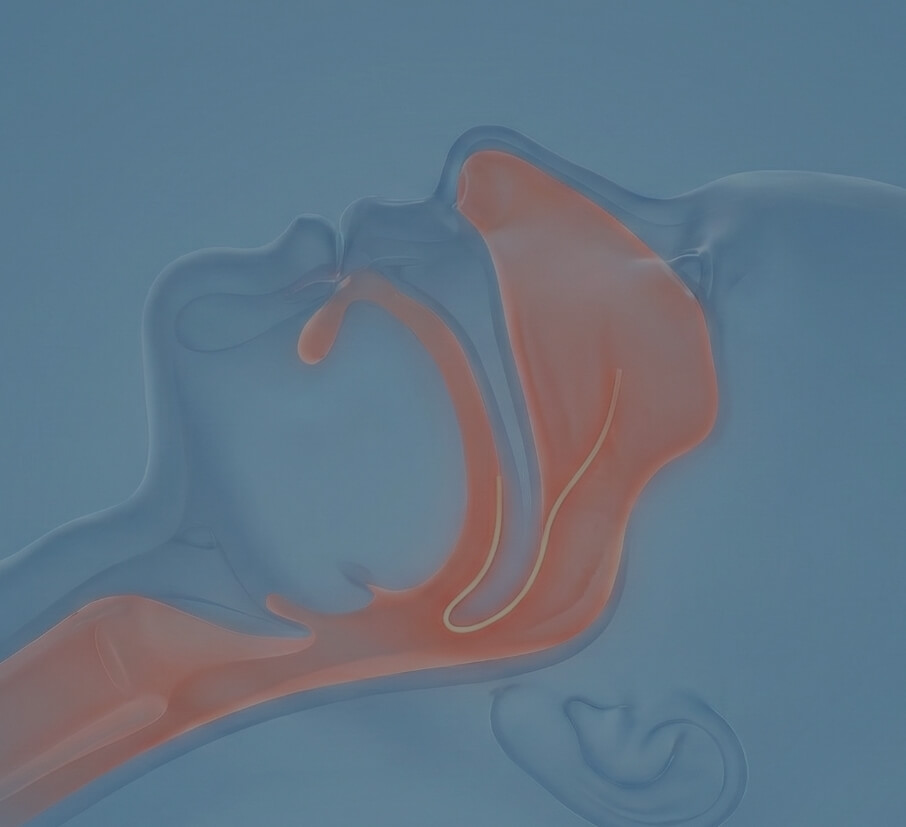
Obstructive sleep apnea (OSA) is more than loud snoring or restless nights—it’s a medical condition where breathing stops repeatedly during sleep. Recent data on the US population estimated that 17% of the general adult population has obstructive sleep apnea, many cases of which are undiagnosed. Left untreated, OSA can contribute to daytime fatigue, cardiovascular disease, diabetes, and reduced quality of life. At NorthShore Center for Oral & Facial Surgery and Implantology, our board-certified surgeons provide surgical options designed to address the structural causes of sleep apnea and restore healthy breathing patterns.

Diagnosing Sleep Apnea

Before treatment, sleep apnea must be confirmed through polysomnography (a sleep study), which measures breathing, oxygen levels, and sleep cycles. Once a diagnosis is made, treatment may include lifestyle changes, medical therapies, or surgical correction depending on the severity and underlying cause. If you do not yet have a sleep study our team can facilitate a referral to a local testing center. Our team works closely with sleep physicians and orthodontists to ensure your treatment plan is safe, effective, and personalized.

Beyond CPAP: Why Surgery May Be Needed

Continuous Positive Airway Pressure (CPAP) is a common first-line treatment for OSA, but many patients struggle with compliance due to discomfort or inconvenience. For those unable to tolerate CPAP—or whose anatomy prevents lasting improvement—minimally invasive surgical procedures may provide a long-term solution. Our Quad-A accredited surgery center allows us to perform these treatments on an outpatient basis, saving you a costly hospital stay.

Surgical Options for Sleep Apnea

Miniscrew-Assisted Rapid Palatal Expansion (MARPE)

MARPE combines orthodontics with small, temporary anchorage devices (TADs) placed in the palate. This method widens the upper jaw without major surgery and improves nasal airflow. Because MARPE requires close orthodontic collaboration, our surgeons work hand-in-hand with your orthodontist to ensure safe placement and effective long-term results. For adult patients, if your bone has already fused you may require a DOME procedure in conjunction with a MARPE expander to facilitate widening of the airway and upper jaw.

Distraction Osteogenesis Maxillary Expansion (DOME)

DOME is a minimally invasive surgical technique used in conjunction with MARPE expander that expands the upper jaw to increase nasal airway volume. By creating more space for airflow, DOME helps reduce nighttime obstruction and improve oxygen intake. This approach is especially effective in patients with narrow palates contributing to airway collapse.

Orthofacial Surgery

For patients with more complex anatomical issues, orthognathic (jaw) surgery may be recommended. By repositioning one or both jaws, we can enlarge the airway, improve breathing, and restore facial balance. Orthofacial surgery is carefully planned using 3D imaging and is often coordinated with orthodontic treatment to achieve optimal results – see our page on Orthofacial Surgery.

Supporting Better Sleep Health

Surgery is only one part of the equation. We emphasize comprehensive sleep hygiene and lifestyle modifications to support long-term success, including:

  • Maintaining a healthy weight.
  • Establishing consistent sleep routines.
  • Avoiding alcohol and sedatives before bedtime.
  • Positional therapy (avoiding back sleeping when apnea is positional).

By combining minimally invasive procedures with lifestyle strategies, patients often achieve not only improved breathing but also higher energy, sharper focus, and overall better health.

FAQs About Minimally Invasive Sleep Apnea Procedures

How is sleep apnea diagnosed
Through a polysomnography (sleep study), which monitors breathing, oxygen levels, and sleep patterns overnight.
Do I need to try CPAP before surgery?
Yes. Most patients are first encouraged to try CPAP or oral appliances. Surgery is considered when these approaches are ineffective or not tolerated.
What is the difference between DOME and MARPE?
Both expand the upper jaw to improve airflow. MARPE uses orthodontic appliances with miniscrews, while DOME is a surgical approach guided by your surgeon.
Is surgery always necessary for sleep apnea?
No. Many patients improve with CPAP, oral appliances, or weight loss. Surgery is reserved for cases where airway anatomy requires intervention.
Who is involved in treatment?
Our team collaborates closely with orthodontists, sleep medicine specialists, and your primary care physician to design a comprehensive plan.
What is recovery like after these procedures?
Recovery depends on the procedure. MARPE typically involves mild soreness, while DOME and orthofacial surgery may require a longer healing period. We’ll provide detailed guidance tailored to your treatment.

Why Choose NorthShore Center for Oral & Facial Surgery?

Our surgeons combine advanced training in oral and maxillofacial surgery with experience in airway-focused treatments. With a collaborative approach involving orthodontists and sleep specialists, we provide safe, effective, and personalized solutions for patients struggling with sleep apnea. Serving Lake and Cook County, we are committed to helping you breathe easier, sleep better, and live healthier.