TMD Treatment

Restoring Jaw Health and Comfort

At NorthShore Center for Oral & Facial Surgery and Implantology, we specialize in diagnosing and treating Temporomandibular Disorders (TMD): a group of conditions affecting the jaw joint (TMJ) and surrounding muscles. TMD can cause pain, limited jaw movement, and discomfort in the face, neck, and shoulders. Our team offers personalized, non-surgical treatment options to alleviate symptoms and improve quality of life.

TMD Treatment

Restoring Jaw Health and Comfort
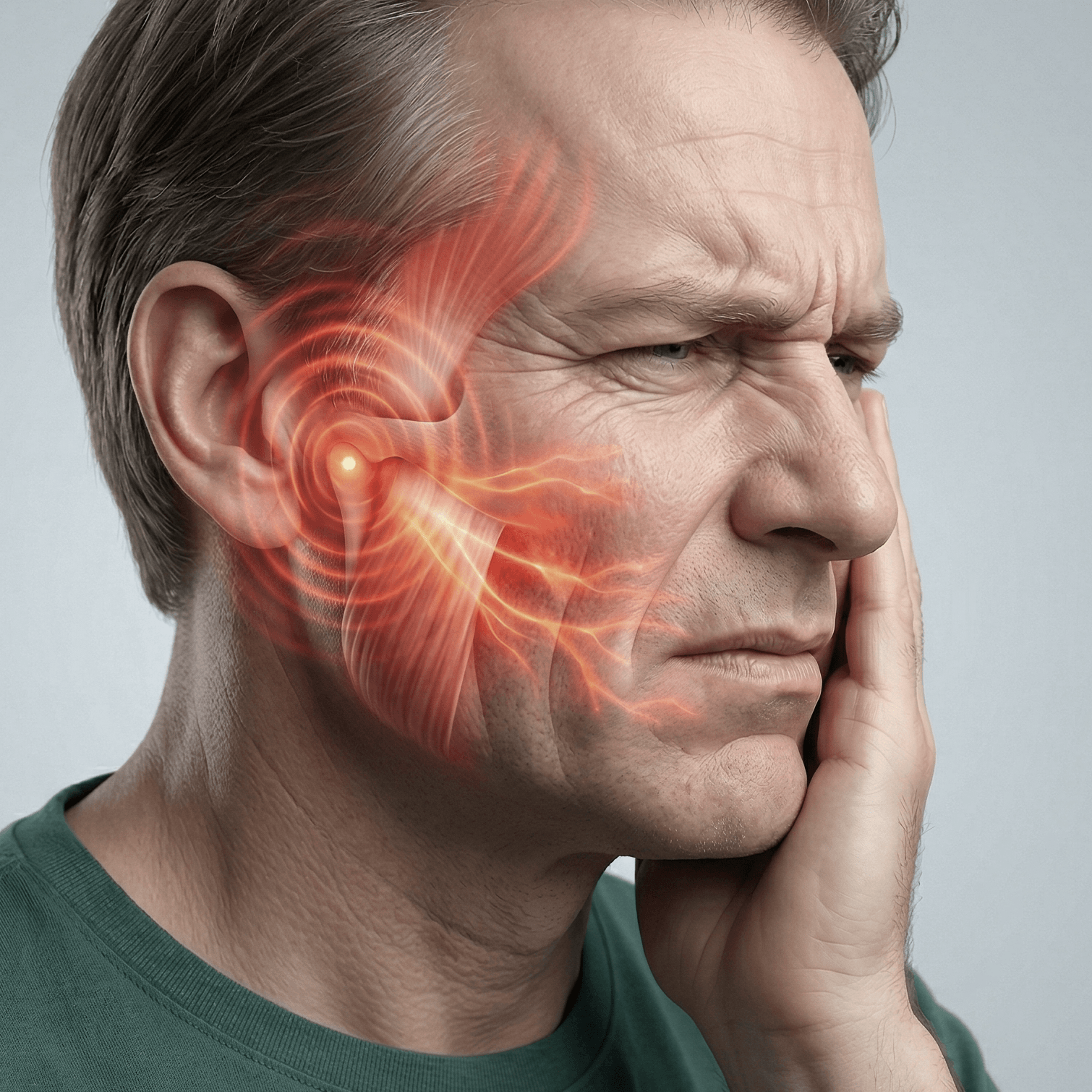
At NorthShore Center for Oral & Facial Surgery and Implantology, we specialize in diagnosing and treating Temporomandibular Disorders (TMD): a group of conditions affecting the jaw joint (TMJ) and surrounding muscles. TMD can cause pain, limited jaw movement, and discomfort in the face, neck, and shoulders. Our team offers personalized, non-surgical treatment options to alleviate symptoms and improve quality of life.

What Is TMD?

TMD encompasses a range of conditions that cause pain and dysfunction in the jaw joint and muscles controlling jaw movement. Common symptoms include:

Jaw or face pain

Headaches or migraines

Jaw stiffness or locking

Clicking, popping, or grinding sounds

Trouble opening or closing your mouth

Earaches or ringing

Tooth pain

Neck or shoulder pain
How Do We Treat TMD

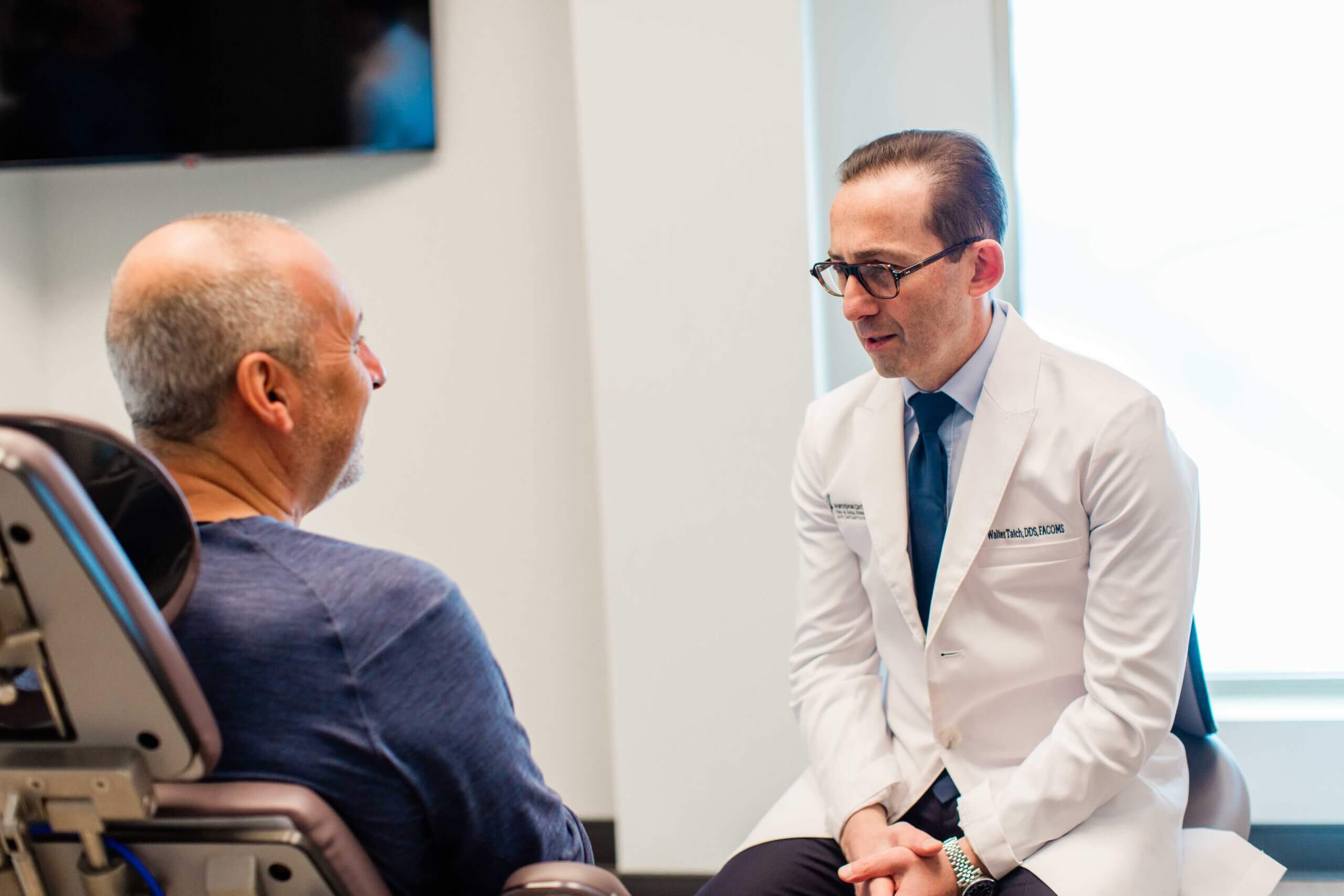
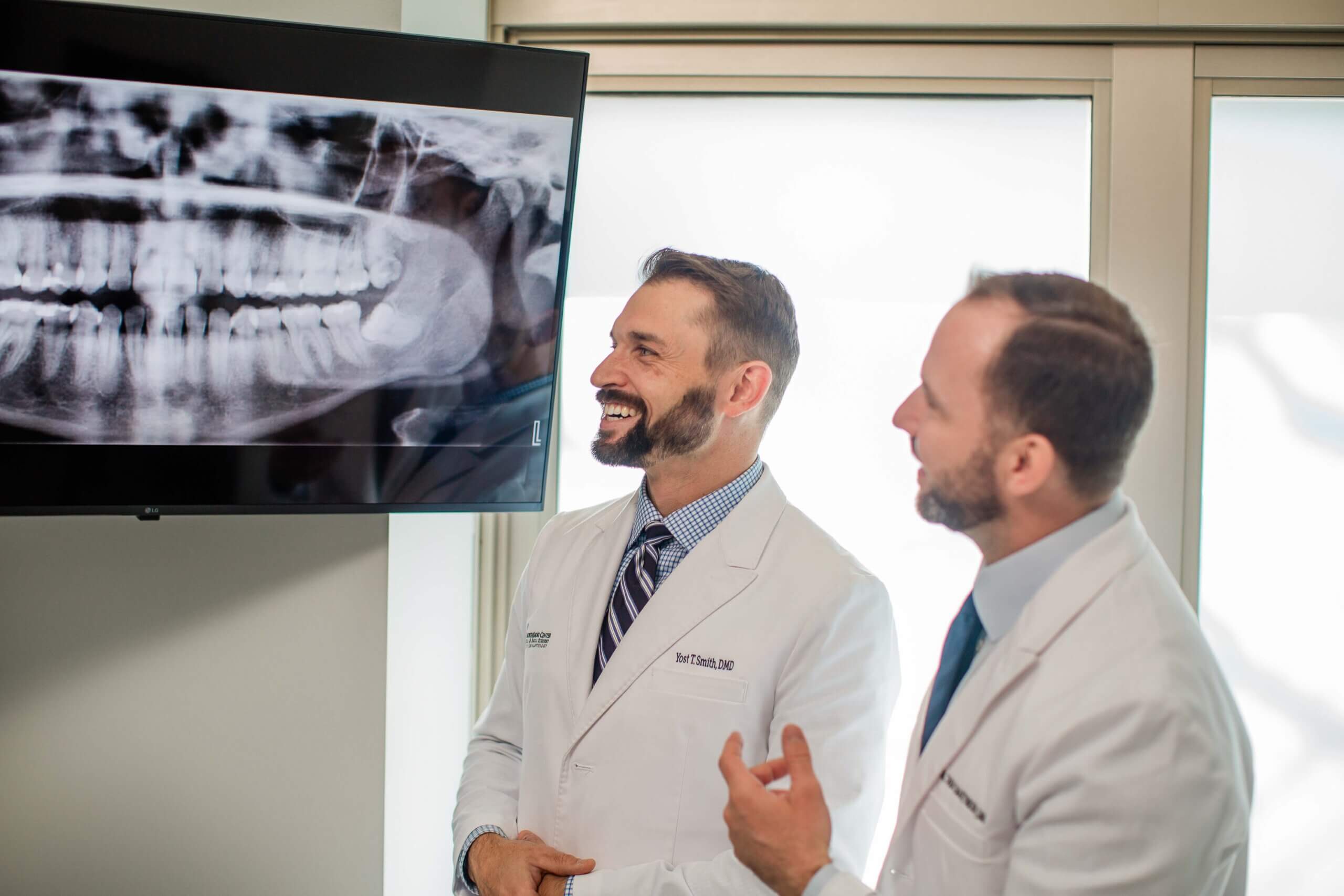
Treatment of TMD first begins with identifying the source of the pain – the muscles, the joint, or both. When you arrive at our office we will first obtain 3D imaging to identify any structural issues with your joints. After reviewing the imaging with you and a thorough clinical examination we will provide our recommendations. We always recommend beginning with the most conservative therapy first.

Awareness Coaching and Conservative Therapy

Many patients unconsciously clench or grind their teeth, especially during times of stress. We provide coaching and strategies to help you recognize these habits, along with guidance on posture, relaxation, and jaw-friendly routines. These conservative measures are often the first step toward lasting relief.

Neuromuscular Blocker Administration

For patients with chronic muscle overactivity, small doses of neuromuscular blocking agents (such as Botox® and Letybo®) can relax the jaw muscles. By reducing muscle tension and clenching, this therapy can ease pain and improve function, especially for patients who haven’t responded fully to other conservative treatments. This therapy lasts for roughly 3 months and gives you a reprieve from pain during which you can continue to focus on conservative management.

Arthrocentesis

In cases where the joint itself is actively inflamed and painful, arthrocentesis may be recommended. This minimally invasive procedure involves gently flushing out the jaw joint to remove inflammation-causing fluid and improve mobility. Arthrocentesis can be performed in an outpatient setting with sedation and often provides significant symptom relief.

When Is Surgery Considered?

Surgical intervention is only occasionally recommended for TMD and is typically reserved for cases involving:

  • Severe pain or joint dysfunction lasting more than three to six months that does not respond to other conservative treatments.
  • Structural abnormalities of the jaw or TMJ .

In such cases, surgical options may include modified condylotomy or joint replacement. However, these procedures are considered only after other treatments have been unsuccessful.
Frequently Asked Questions About TMD Treatment

How do I know if my jaw pain is TMD?
The most common cause of jaw pain is TMD. If you experience jaw pain, headaches, or difficulty opening and closing your mouth, an evaluation with our surgeons can confirm whether the TMJ or the muscles surrounding it are the source of your symptoms.
Is TMD permanent?
No. Many cases improve significantly with non-surgical treatments such as neuromuscular blockers, awareness training, and medication.
What’s the difference between TMJ and TMD?
The TMJ is the joint itself, while TMD refers to the disorders that affect it.
Can stress cause TMD?
Yes. Stress often leads to clenching or grinding (called “bruxism” or “parafunctional habits”), which places extra strain on the jaw joint. Stress management can play an important role in treatment.
Will I need surgery for TMD?
Most patients do not. Surgery is only considered in severe cases where conservative treatments haven’t worked.
Can TMD go away on its own?
Mild cases may improve over time, especially with lifestyle changes, but ongoing symptoms should be evaluated to prevent worsening or damage to the joint.

Why Choose NorthShore Center for Oral & Facial Surgery?

Our surgeons combine advanced training in oral and maxillofacial surgery with years of experience treating TMJ disorders. We provide thorough diagnostics, patient-centered treatment plans, and a full range of both conservative and surgical options. You can rely on us to provide precise care, long-term relief, and compassionate support every step of the way.